Introduction
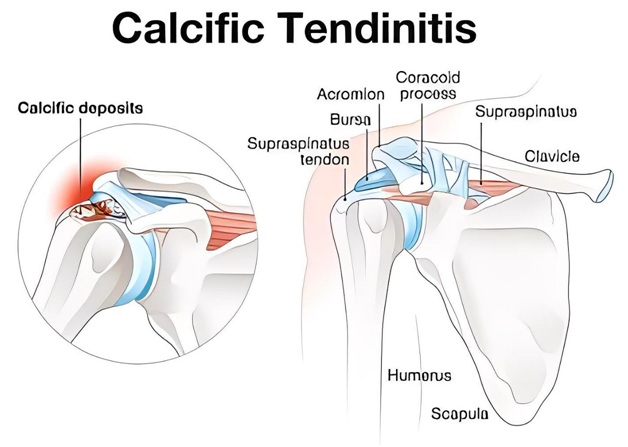
Shoulder Calcific Tendinopathy tendinopathy is a condition that affects the tendons of the shoulder, causing the formation of calcium deposits. This can result in pain, inflammation, and restricted movement. In this comprehensive exploration, we delve into the causes, symptoms, and treatment options for shoulder calcific tendinopathy. Specifically, we will focus on the non-pharmacological approach provided by Shanti Physical Therapy.
Classification
Understanding the various stages and types of shoulder calcific tendinopathy is crucial for tailoring effective treatment strategies. The classification helps healthcare professionals identify the severity and progression of the condition. Shanti Physical Therapy adopts a detailed classification system to ensure personalized care for each patient.
Clinical Evaluation
Accurate diagnosis is fundamental for effective treatment. Shanti Physical Therapy utilizes a comprehensive clinical evaluation to assess the extent and impact of shoulder calcific tendinopathy on an individual basis. This involves a thorough examination of symptoms, medical history, and diagnostic imaging to create a precise treatment plan.
Characteristics of Shoulder Calcific Tendinopathy
The chief patient complaints to expect in calcific tendinopathy are:
- Night pain, causing loss of sleep.
- Constant dull ache.
- Pain increases considerably with AROM.
- Decrease in ROM, or complaint of stiffness.
- Radiating pain up into the suboccipital region, or down into the fingers.
Treatments by Shanti Physical Therapy
One distinguishing feature of Shanti Physical Therapy is its commitment to a non-pharmacological approach for treating shoulder calcific tendinopathy. Physical therapy plays a pivotal role in this regard. Various techniques, including targeted exercises, manual therapy, and therapeutic modalities, are employed to alleviate pain, improve range of motion, and enhance overall shoulder function.
Physical therapists at Shanti use evidence-based practices to develop customized rehabilitation plans for each patient. These plans often include exercises to strengthen the shoulder muscles, stretches to improve flexibility, and manual therapy to address soft tissue restrictions. By focusing on non-invasive methods, Shanti Physical Therapy seeks to optimize recovery without relying on pharmaceutical interventions.
Postoperative Rehabilitation
In cases where surgical intervention becomes necessary, postoperative rehabilitation is crucial for a successful recovery. Shanti Physical Therapy plays a vital role in this phase by tailoring rehabilitation programs to meet the specific needs of individuals who have undergone surgery for shoulder calcific tendinopathy. Rehabilitation focuses on restoring range of motion, building strength, and preventing reoccurrence.
Conclusion of Shoulder Calcific Tendinopathy
Shoulder calcific tendinopathy is a multifaceted condition that requires a comprehensive approach to treatment. This article has explored the causes, symptoms, and treatment options, emphasizing the significance of a personalized strategy. Shanti Physical Therapy’s commitment to holistic care sets it apart, ensuring that individuals receive tailored treatment plans to address their unique needs.
How Shanti Physical Therapy work
Shanti Physical Therapy distinguishes itself by offering a holistic and drug-free approach to shoulder calcific tendinopathy. The center’s expertise lies in combining various physical therapy modalities to address the root causes of the condition. The personalized care provided by Shanti Physical Therapy ensures that patients receive treatments specifically tailored to their individual circumstances.
The physical therapists at Shanti work closely with patients, educating them about their condition and involving them in their rehabilitation journey. This collaborative approach empowers individuals to actively participate in their recovery, fostering a sense of ownership and commitment to the treatment plan.
Shanti Physical Therapy’s commitment to avoiding pharmaceutical interventions aligns with a growing trend toward holistic and minimally invasive healthcare. By prioritizing non-pharmacological treatments, Shanti not only addresses the symptoms of shoulder calcific tendinopathy but also focuses on long-term recovery and prevention.
Reference
The information presented in this article is based on current medical literature and practices. Readers are encouraged to explore the cited references for a more in-depth understanding of shoulder calcific tendinopathy and its treatment modalities. Additionally, consulting with healthcare professionals, including those at Shanti Physical Therapy, is essential for personalized advice and guidance.
- Depalma AF, Kruper JS. Long-term study of shoulder joints afflicted with and treated for calcific tendinitis. Clin Orthop. 1961;20:61–72. [PubMed] [Google Scholar]
- Loew M, Jurgowski W, Mau HC, Thomsen M. Treatment of calcifying tendinitis of rotator cuff by extracorporeal shock waves: a preliminary report. J Shoulder Elbow Surg. 1995;4:101–
- [PubMed] [Google Scholar]
- Jim YF, Hsu HC, Chang CY, Wu JJ, Chang T. Coexistence of calcific tendinitis and rotator cuff tear: an arthrographic study. Skeletal Radiol. 1993;22:183–5. [PubMed] [Google Scholar]
- Codman EA, Akerson IB. The pathology associated with rupture of the supraspinatus tendon. Ann Surg. 1931;93:348–59. [PMC free article] [PubMed] [Google Scholar]