Anterolisthesis occurs when one vertebra slips forward over the one beneath it. While many people know what the condition is, fewer understand how severity is graded — and why this grading system is crucial for treatment, healing time, and long-term spine health.
This article explains the grades of anterolisthesis, how doctors measure it, and what patients can expect at each stage. We also share how Shanti Physical Therapy in East Windsor, NJ and Edison, NJ provides highly effective, personalized rehabilitation for patients dealing with this condition.
What Is Anterolisthesis Grading?
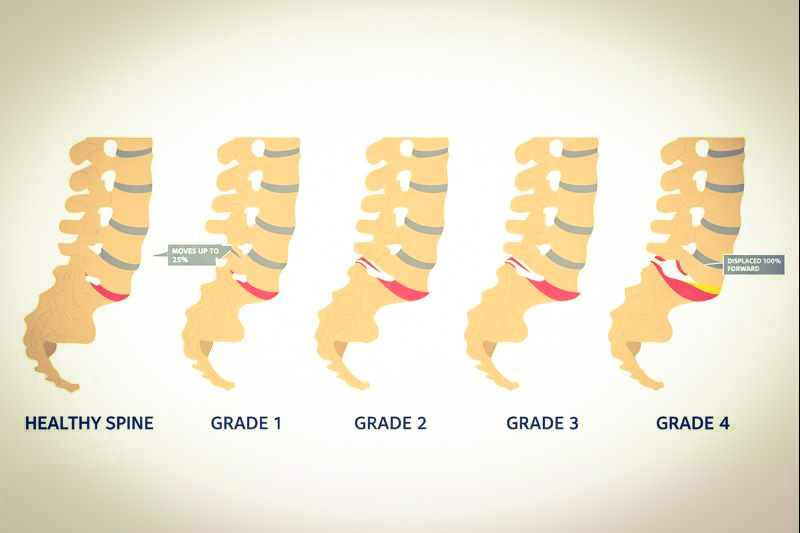
The grading system is used to determine how far the vertebra has slipped forward. This percentage helps medical professionals decide:
- How severe the condition is
- The level of nerve involvement
- Appropriate treatment options
- Expected recovery duration
Imaging tests such as X-ray, MRI, or CT scan are used to measure the slippage.
Grades of Anterolisthesis (Meyerding Classification)
🔹 Grade 1 — Mild (0–25% Slip)
Most patients fall into this category.
Symptoms:
- Mild lower back pain
- Occasional stiffness
- Tight hamstrings
- Discomfort during certain movements
Management:
- Physical therapy
- Core strengthening
- Posture correction
Most patients recover without surgery.
🔹 Grade 2 — Moderate (26–50% Slip)
Symptoms become more noticeable.
Symptoms:
- Radiating leg pain
- Numbness or tingling
- Reduced motion
- Muscle spasms
Management:
Conservative treatment is usually effective, especially structured physical therapy.
🔹 Grade 3 — Severe (51–75% Slip)
Nerve involvement is more common.
Symptoms:
- Persistent lower back pain
- Leg pain or weakness
- Limited ability to walk or stand
- Reduced stability
Management:
- Advanced physical therapy
- Pain management
- Surgical consult if symptoms worsen
🔹 Grade 4 — Very Severe (76–100% Slip)
This often causes major functional limitations.
Symptoms:
- Severe nerve compression
- Difficulty controlling movements
- Significant weakness
- Daily limitations
Management:
- Surgical stabilization
- Long-term rehabilitation
- Specialized physical therapy programs
How Doctors Diagnose Severity
Physical Examination
Checks posture, flexibility, reflexes, and nerve function.
Imaging Tests
- X-ray to measure slippage
- MRI to check disc, nerve, and soft tissue conditions
- CT scan for detailed bone assessment
Symptom Evaluation
Patterns of pain, mobility issues, and neurological findings guide treatment.
Treatment Options Based on Severity (Anterolisthesis Grade)
⭐ Conservative Treatments (Grades 1–2 & some Grade 3)
- Physical therapy
- Strengthening programs
- Posture correction
- Anti-inflammatory treatment
- Lifestyle and activity modification
⭐ Surgical Treatments (High Grade 3–4)
Recommended when:
- Nerve compression is severe
- Weakness progresses
- Conservative treatment fails
Procedures include decompression surgery and spinal fusion.
How Shanti Physical Therapy Helps Patients With Anterolisthesis Grade
Serving East Windsor, NJ & Edison, NJ
At Shanti Physical Therapy, our expert clinicians specialize in treating spine conditions, including all grades of anterolisthesis. Our goal is to help patients reduce pain, improve stability, and regain strength — without unnecessary medication or surgery.
✔ 1. Personalized Spine Evaluation
Every patient receives a detailed assessment, including:
- Posture analysis
- Core and spine muscle testing
- Flexibility and movement pattern evaluation
- Nerve compression screening
This allows us to design a customized treatment plan tailored to the severity of the condition.
✔ 2. Targeted Physical Therapy for Anterolisthesis
Our evidence-based treatment programs include:
- Core stabilization exercises
- Lumbar strengthening
- Pelvic alignment correction
- Stretching and mobility training
- Balance and gait training
- Manual therapy & soft-tissue mobilization
These techniques help reduce pain and prevent further vertebral slippage.
✔ 3. Pain Relief Techniques
To relieve symptoms quickly, we may use:
- Heat or cold therapy
- Electrical stimulation
- Mechanical traction (when appropriate)
- Trigger point release
- Ultrasound therapy
These help reduce inflammation and nerve irritation.
✔ 4. Postural & Ergonomic Training
Patients learn proper:
- Sitting posture
- Lifting techniques
- Sleeping position
- Workplace ergonomics
This reduces stress on the spine throughout daily activities.
✔ 5. Prevention of Future Slippage
Shanti Physical Therapy focuses not only on treatment, but long-term spine health, including:
- Lifestyle correction
- Weight management guidance
- Low-impact exercise programs
- Home exercise routines
✔ 6. Close Monitoring & Progress Tracking
Whether you are recovering from conservative care or post-surgery, our team continuously adjusts your plan for optimal improvement.
Our Clinics Are Conveniently Located In:
📍 East Windsor, NJ
📍 Edison, NJ
Patients from surrounding areas seek us for our personalized, hands-on care and excellent outcomes in spine rehabilitation.
Recovery Expectations by Grade
| Grade | Recovery Time | Surgery Need |
| 1 | 4–8 weeks | Very Low |
| 2 | 8–16 weeks | Low |
| 3 | 3–6 months | Moderate |
| 4 | 6+ months | High |
With consistent physical therapy, many patients regain mobility and reduce pain significantly.
Can Anterolisthesis Get Worse?
Yes — especially when untreated or ignored.
Risk factors include:
- Poor posture
- Weak core muscles
- Heavy lifting
- Obesity
- Degenerative disc disease
- Lack of physical activity
Early intervention prevents complications.
Conclusion
Understanding the grade of anterolisthesis is essential for choosing the right treatment and preventing long-term damage. With proper care — especially professional physical therapy — most patients can manage symptoms effectively and return to normal activities.
At Shanti Physical Therapy in East Windsor & Edison, NJ, we provide expert, individualized treatment plans designed to relieve pain, improve stability, and restore spine function.
If you or your loved one is experiencing symptoms of anterolisthesis, our team is here to help you start your recovery journey.
