

Anterolisthesis is a spinal condition where one vertebra in the spine slips forward over the one below it. This misalignment can lead to discomfort, pain, and, in severe cases, neurological symptoms that impact everyday activities. Understanding anterolisthesis, including its causes, symptoms, and treatment options, is crucial for managing the condition and preventing further complications.
What is Anterolisthesis?
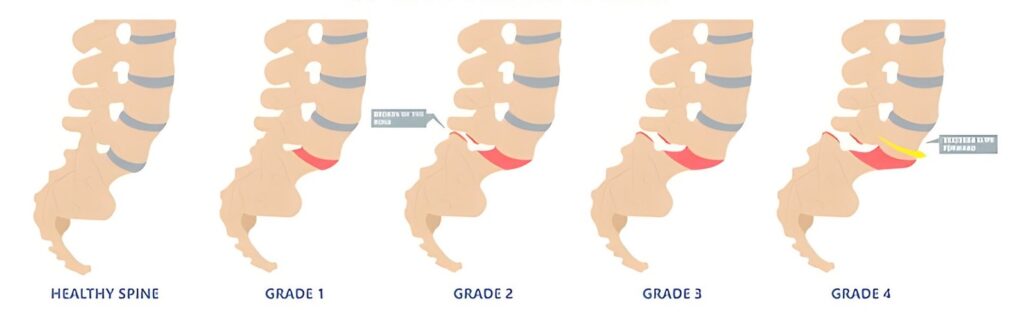
Anterolisthesis is a specific type of spondylolisthesis, a broader term for vertebral slippage. While spondylolisthesis refers to the general sliding of one vertebra over another, anterolisthesis specifically describes a forward displacement. This forward slippage can range from mild to severe, and the condition is graded based on how far the vertebra has shifted forward:
- Grade I: Less than 25% displacement
- Grade II: 26% to 50% displacement
- Grade III: 51% to 75% displacement
- Grade IV: 76% to 100% displacement
Severe cases of anterolisthesis can lead to nerve compression, causing a range of symptoms, from localized pain to numbness and muscle weakness.
Causes of Anterolisthesis
Several factors contribute to the development of anterolisthesis. Some of the most common causes include:
- Trauma or Injury: A sudden injury, such as a fall or a car accident, can cause the vertebrae to shift out of place, leading to anterolisthesis.
- Degenerative Conditions: Age-related wear and tear on the spine, often due to arthritis, is a common cause of anterolisthesis in older adults. The natural degeneration of discs and joints makes the spine more susceptible to slippage.
- Congenital Conditions: Some people are born with spinal abnormalities that increase their risk of developing anterolisthesis later in life.
- Repetitive Strain: Athletes and individuals whose jobs require repetitive motion or heavy lifting are at a higher risk for developing the condition due to the strain placed on the spine over time.
Symptoms of Anterolisthesis
Symptoms vary depending on the severity of the slippage and whether or not the spinal nerves are compressed. Common symptoms include:
- Lower Back Pain: Pain in the lower back is often the most prominent symptom, particularly in cases of lumbar anterolisthesis.
- Numbness or Tingling: Nerve compression can cause numbness or tingling in the legs, especially when the condition affects the lumbar region of the spine.
- Muscle Weakness: When nerves are compressed, it can lead to muscle weakness, which may affect balance and mobility.
- Stiffness and Reduced Range of Motion: Some individuals experience stiffness in the lower back, limiting their ability to bend or twist.
Diagnosis of Anterolisthesis
Diagnosis typically begins with a physical examination, during which a healthcare provider will assess the patient's pain levels, range of motion, and neurological function. To confirm the diagnosis, imaging tests such as X-rays, MRIs, or CT scans are used to determine the degree of vertebral displacement and whether nerve compression is present.
Treatment Options for Anterolisthesis
Treatment for anterolisthesis depends on the severity of the condition. Mild cases may be managed with conservative treatments, while more severe cases might require surgical intervention.
Conservative Treatments:
- Physical Therapy: Physical therapy plays a vital role in managing anterolisthesis. Strengthening the core and lower back muscles can help stabilize the spine and reduce pain. Physical therapy also improves flexibility and helps patients maintain a full range of motion.
- Pain Management: Over-the-counter pain medications, prescription drugs, and nonsteroidal anti-inflammatory drugs (NSAIDs) can help manage pain. In some cases, corticosteroid injections are recommended to reduce inflammation and provide relief.
- Lifestyle Modifications: Making changes to one’s daily routine, such as avoiding heavy lifting and maintaining proper posture, can prevent further aggravation of the condition.
Surgical Treatments:
In cases where conservative treatments are ineffective, surgery may be necessary to stabilize the spine and relieve nerve compression. Common surgical procedures include:
- Spinal Fusion: This procedure involves fusing the affected vertebrae together to prevent further movement and stabilize the spine.
- Laminectomy: A laminectomy involves removing part of the vertebra to relieve pressure on the spinal cord or nerves.
The Role of Shanti Physical Therapy in Managing Anterolisthesis
At Shanti Physical Therapy in New Jersey, patients with anterolisthesis receive personalized care aimed at relieving pain and improving function. Our team of experienced physical therapists uses a holistic approach to design treatment programs tailored to each patient's unique condition. Through a combination of manual therapy, core strengthening exercises, posture education, and flexibility training, we help patients restore spinal stability and reduce symptoms.
At Shanti Physical Therapy, we emphasize patient education, ensuring that individuals understand their condition and know how to manage it effectively. Our goal is to not only treat anterolisthesis but to prevent its recurrence by equipping patients with the knowledge and tools to protect their spine. With a commitment to high-quality care, Shanti Physical Therapy in New Jersey offers the best treatment options for individuals with anterolisthesis, helping them regain mobility and lead pain-free lives.
Conclusion
Anterolisthesis can be a painful and limiting condition, but with the right treatment, individuals can manage their symptoms and improve their quality of life. Physical therapy, like that offered at Shanti Physical Therapy in New Jersey, is a cornerstone of effective treatment, providing patients with the tools they need to strengthen their spine, alleviate pain, and prevent further complications. If you're experiencing back pain or symptoms related to anterolisthesis, seeking professional care early is key to a successful recovery.