
Introduction
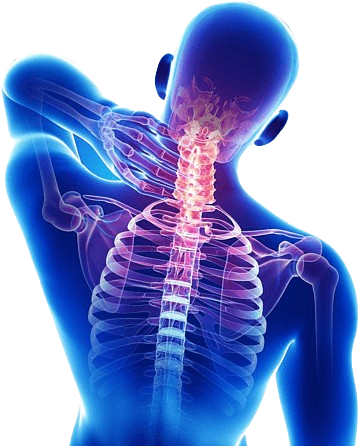
Cervical radiculopathy, commonly known as a pinched nerve in the neck, is a condition that can cause significant discomfort and disability. It occurs when a nerve in the cervical spine (the neck region) becomes compressed or irritated, leading to symptoms such as neck pain, tingling, numbness, or weakness in the shoulders, arms, and hands. While this condition can be debilitating, physical therapy offers an effective, non-invasive solution to relieve symptoms and restore function.
Understanding Cervical Radiculopathy
Cervical radiculopathy is typically caused by age-related changes in the spine, such as degenerative disc disease, herniated discs, or bone spurs. These changes can narrow the spaces where nerves exit the spinal column, leading to nerve compression. In some cases, cervical radiculopathy may also result from acute injuries or repetitive strain.
The symptoms of cervical radiculopathy can vary depending on the affected nerve root. Common signs include:
- Pain: Sharp or burning pain in the neck, shoulder, or arm.
- Numbness: Loss of sensation in the arm or hand.
- Weakness: Difficulty lifting objects or performing daily activities.
- Tingling: A "pins and needles" sensation in the arm or hand.
The Role of Physical Therapy in Relieving Cervical Radiculopathy
 Physical therapy is a cornerstone of conservative treatment for cervical radiculopathy. A well-structured physical therapy program can help alleviate pain, improve mobility, and strengthen the muscles supporting the cervical spine, reducing the likelihood of future episodes. Here's how physical therapy can specifically benefit those suffering from cervical radiculopathy:
Pain Management:
Manual Therapy: Techniques such as soft tissue mobilization and joint mobilization can help reduce muscle tension, improve circulation, and alleviate pain.
Modalities: Therapists may use modalities like heat, ice, ultrasound, or electrical stimulation to reduce pain and inflammation in the affected area.
Improving Flexibility and Range of Motion:
Stretching Exercises: Specific stretches targeting the neck, shoulders, and upper back can help relieve tension and restore normal movement patterns.
Postural Training: Education on proper posture and ergonomic adjustments can prevent further strain on the cervical spine.
Strengthening Exercises:
Muscle Strengthening: Strengthening the muscles that support the neck and upper back can help stabilize the spine and reduce the pressure on the affected nerves.
Core Stability: Core exercises are often included to provide better overall support for the spine.
Neuromuscular Re-Education:
Coordination and Balance: Exercises that focus on improving coordination and balance can help patients regain normal movement patterns and reduce the risk of re-injury.
Education and Prevention:
Ergonomics: Physical therapists can advise on ergonomic adjustments in daily activities, such as workstation setup, to minimize strain on the neck.
Lifestyle Modifications: Patients receive guidance on lifestyle changes, including exercises and habits to maintain a healthy spine and prevent recurrence.
Conclusion
Physical therapy offers a holistic and personalized approach to managing cervical radiculopathy. Through a combination of pain management, flexibility improvement, strengthening exercises, and education, physical therapy can significantly reduce symptoms, enhance mobility, and improve the overall quality of life for individuals suffering from this condition.
For those in New Jersey seeking the best care for cervical radiculopathy, Shanti Physical Therapy stands out as a leading provider. With a team of experienced therapists dedicated to individualized care, Shanti Physical Therapy offers comprehensive treatment plans tailored to each patient's unique needs. Their commitment to using the latest techniques and technologies ensures that patients receive the highest quality care, making Shanti Physical Therapy the top choice for relieving cervical radiculopathy in New Jersey.